How Social Media Is Changing the Way People Get News
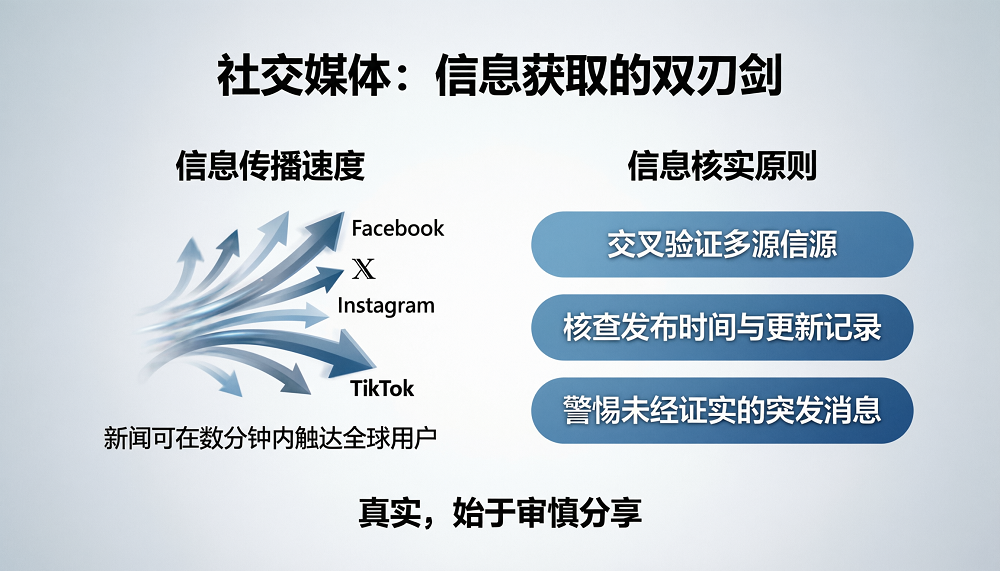
Social media has become one of the most influential sources of information in the modern world. Millions of people use digital platforms to discover breaking stories, follow public events and discuss developments happening in their communities and across the globe.
Unlike traditional newspapers and scheduled television broadcasts, social media allows information to reach audiences almost instantly. A single post, photograph or video can attract widespread attention within minutes.
The Role of Social Media Platforms in News Distribution
Platforms such as Facebook, X, Instagram and TikTok have changed how news travels between individuals and communities.
News organizations use these platforms to publish headlines, share video reports and direct readers to their websites. Independent journalists and eyewitnesses can also share information about events as they unfold.
Short-form videos and live broadcasts make it possible for audiences to see developments visually rather than relying exclusively on written reports. Meanwhile, comments and reposts allow people to discuss stories and share different perspectives.
However, the popularity of a post does not necessarily mean that its information is accurate.
Why Misinformation Can Spread Quickly
Social media platforms are designed to make sharing content easy. While this helps useful information reach a wider audience, it can also allow misleading claims to spread before they have been verified.
An old photograph may be presented as a recent event, an edited video may create a false impression, or an unconfirmed allegation may be repeated until people begin treating it as fact.
Sometimes, users share inaccurate information because they believe it is true or want to warn others. Their intentions may be good, but sharing without verification can still cause confusion.
How to Check Whether a News Story Is Reliable
Readers can improve their news habits by following a few practical steps:
- Check the original source: Identify who published the information and whether the source is credible.
- Compare multiple reports: Look for independent confirmation from other established news organizations.
- Check the publication date: An old story can resurface and appear to describe a current event.
- Read the full article: Headlines and short captions may omit important details.
- Examine photographs and videos: Look for their original context and whether they have appeared in earlier reports.
- Wait for confirmation: When an important event is still developing, some details may remain uncertain.
The Importance of Responsible News Sharing
Every social media user plays a role in how information spreads online. Taking a moment to verify a story before reposting it can help prevent misinformation from reaching more people.
Content creators and website publishers also have a responsibility to distinguish confirmed facts from allegations, speculation and developing reports. Clear publication dates, transparent sourcing and corrections when mistakes occur can help build audience trust.
The Future of Social Media News
Social media has transformed how people discover, read, watch, and share news. In the past, many people depended on newspapers, radio broadcasts, and television stations to learn about events happening in their communities and around the world. Today, a news update can reach millions of people through a social media post, a live video, or a short clip shared on a mobile phone.
Platforms such as Facebook, Instagram, TikTok, YouTube, WhatsApp, and X have become important channels for news distribution. People can follow journalists, media organizations, government agencies, eyewitnesses, and independent content creators to receive updates about politics, business, entertainment, sports, technology, and other important topics.
Although this change has made news more accessible, it has also created challenges involving misinformation, credibility, privacy, and responsible reporting.
1. News Reaches People Faster Than Before
One of the biggest changes brought by social media is the speed at which information spreads. Traditional news organizations often need time to gather information, verify details, prepare reports, and publish their findings. On social media, however, eyewitnesses can upload photos or videos of an unfolding event almost immediately.
For example, someone who witnesses a road accident may share a video with details about the location. Other users can repost the information, allowing people nearby to become aware of the situation quickly.
This speed can be valuable during emergencies, natural disasters, traffic disruptions, and other developing events.
However, the first report is not always the most accurate. Early posts may contain incorrect locations, misleading descriptions, or incomplete information. Readers should therefore distinguish between an initial social media update and a verified news report.
2. More People Can Participate in News Reporting
Social media has expanded the number of people who can contribute information to public discussions.
In the past, publishing news generally required access to a media organization, printing equipment, or broadcasting facilities. Today, a person with a smartphone and an internet connection can publish information for a potentially large audience.
This has created opportunities for citizen journalism, in which members of the public document events and share information that might otherwise receive little attention.
Local communities can use social media to discuss environmental problems, damaged roads, public services, community projects, and other issues affecting residents.
Nevertheless, recording an event does not automatically make someone a professional journalist. Responsible reporting still requires accuracy, context, fairness, and respect for the privacy and safety of the people involved.
3. Social Media Makes News More Accessible
Social media allows people to receive updates without waiting for a scheduled television programme or purchasing a newspaper.
Users can follow different sources and choose the topics that interest them. Someone interested in football can follow sports reporters, while another person can follow business analysts, technology publications, or local news organizations.
Short videos, images, livestreams, and explanatory posts can also make complex stories easier to understand.
In Nigeria, for example, social media can help people follow developments in their states, monitor public announcements, learn about entertainment events, and discover reports from different parts of the country.
However, access is not equal for everyone. Internet costs, network coverage, device availability, language barriers, and digital literacy can affect how easily people receive and understand online news.
4. Algorithms Influence the News People See
Social media platforms use recommendation systems and other algorithms to decide which posts appear in users’ feeds. These systems may consider previous interactions, followed accounts, viewing habits, and other signals.
As a result, two people using the same platform may see very different news stories.
A user who frequently watches political videos may receive more political content, while someone who engages with entertainment posts may see more celebrity news.
Personalized recommendations can help people discover relevant information, but they can also limit exposure to different viewpoints. When users repeatedly encounter similar opinions, they may develop an incomplete understanding of an issue.
To avoid this, readers should follow credible sources with different perspectives, seek original documents when possible, and compare reports rather than relying entirely on their social media feeds.
5. Misinformation Can Spread Quickly
The same features that make social media useful for distributing news can also help false information spread.
A misleading headline, an old video presented as a recent event, an edited photograph, or an unverified claim can attract thousands of shares before anyone checks its accuracy.
Artificial intelligence has added another challenge. AI-generated images, synthetic audio, and realistic-looking videos can make fabricated events appear convincing.
This does not mean every unusual image or video is false. Instead, it means that users should examine evidence before accepting or sharing dramatic claims.
Before reposting a story, consider these checks:
- Identify the original source of the information.
- Check the publication date and location.
- Compare the claim with reports from reliable news organizations.
- Look for official statements or primary evidence.
- Be cautious about sensational headlines and posts that demand immediate sharing.
If a claim cannot be verified, it is better to wait than to spread potentially harmful information.
6. Social Media Has Changed the Relationship Between News Organizations and Audiences
News organizations now use social media to distribute articles, publish breaking updates, livestream events, and communicate directly with their audiences.
Readers can comment on reports, ask questions, challenge errors, and share their own experiences. This interaction can help journalists identify developing stories and understand public concerns.
At the same time, competition for attention can encourage some publishers and content creators to prioritize clicks, views, and engagement over accuracy.
A sensational headline may attract more attention than a carefully explained report, but popularity does not prove that a story is reliable.
Professional news organizations must continue to verify information, correct mistakes, provide context, and distinguish factual reporting from opinion.
7. Responsible News Sharing Is Everyone’s Responsibility
People who share news also influence how information spreads. Reposting an unverified allegation can damage someone’s reputation, create unnecessary fear, or mislead an entire community.
Responsible sharing begins with a simple habit: read beyond the headline before forwarding a story.
It is also important to avoid sharing private information, graphic material, or images of victims without considering the potential harm. During emergencies, unconfirmed claims about casualties, missing people, or public safety can cause additional distress.
If a post turns out to be false, users should correct it where possible rather than continuing to circulate it.
Social media companies, journalists, governments, educators, and individual users all have roles to play in improving the quality of information available online.
8. The Future of News Distribution
Social media will likely remain an important part of news distribution as mobile technology, live streaming, and artificial intelligence continue to develop.
AI tools may help journalists summarize documents, translate reports, analyze large amounts of information, and make news accessible in more languages. Livestreaming and mobile reporting may also allow audiences to follow events as they happen.
However, these technologies require appropriate oversight. AI-generated content should not be presented as authentic evidence of a real event, and automated summaries should be checked for errors or missing context.
The future of digital news will depend not only on technological progress but also on the standards used to create, verify, and distribute information.
Conclusion
Social media has changed news from something many people primarily receive through scheduled broadcasts and printed publications into information they can discover and share at almost any time.
It has created opportunities for faster reporting, greater public participation, and easier access to different perspectives. At the same time, it has increased the risks of misinformation, sensationalism, and misleading content.
Ultimately, the goal should not simply be to receive news first. It should be to understand what happened, identify trustworthy sources, and share information responsibly.
By combining the convenience of social media with critical thinking and reliable journalism, readers can make better-informed decisions in an increasingly connected world.
Educational content only — not financial advice. Income and savings results vary and are never guaranteed. How we write
Enjoyed this story?
Get the best stories delivered weekly.