AI Prompts for Creating Consistent Movie Characters
One of the biggest challenges in AI filmmaking is keeping the same character consistent across different scenes.
Start by creating a detailed character description and reuse the same description in every prompt.
Character PromptArtificial intelligence is making it easier for independent filmmakers to create movies, short dramas and cinematic videos. However, one major challenge remains: keeping the same character looking consistent across multiple scenes.
A character might appear with a different face, hairstyle, skin tone or outfit in the next generated image or video clip. These changes can make a movie feel disconnected, especially when the same person appears throughout the story.
One practical solution is to create a detailed character description and reuse it in every prompt. When combined with reference images and appropriate AI tools, this approach can help filmmakers maintain a more consistent visual identity throughout their productions.
1. Create a Detailed Character Description
Before generating your first scene, decide exactly how your character should look. Think of this description as a visual identity guide that will be used throughout the movie.
For example, imagine you are developing a Nigerian drama featuring a woman named Amara.
Example character prompt
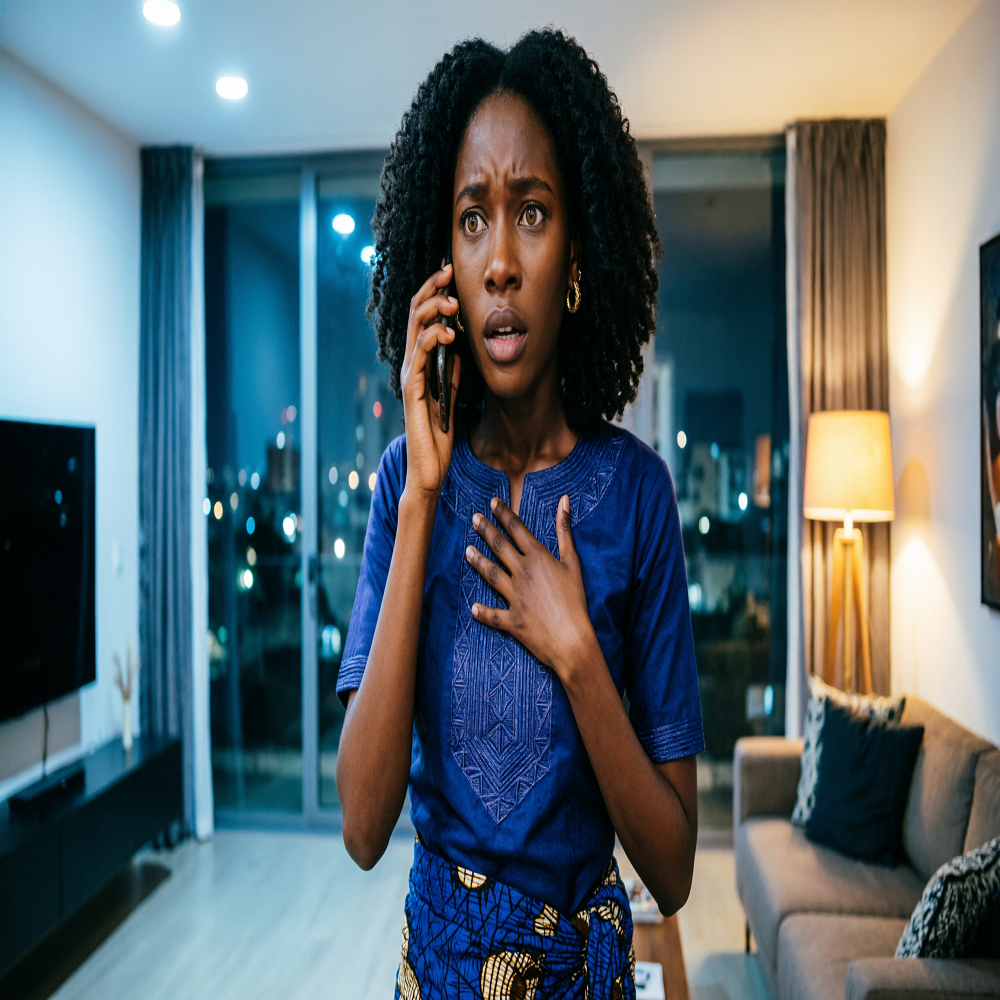
A 30-year-old Nigerian woman named Amara, dark brown skin, oval face, expressive brown eyes, shoulder-length natural black hair, small gold earrings, slim build, wearing a blue traditional Yoruba blouse and matching wrapper. Natural skin texture, realistic facial proportions, consistent facial features, detailed cinematic character design.
This description establishes several identifying features, including Amara’s age, complexion, face shape, hairstyle, accessories and clothing.
The more clearly you define these features, the easier it becomes to reuse them when developing different scenes.
2. Add the Character to a Specific Scene
After defining the character, introduce the action and environment. Keep the essential physical details unchanged while describing what happens in the scene.
Example scene prompt

Amara, the same 30-year-old Nigerian woman with dark brown skin, an oval face, expressive brown eyes, shoulder-length natural black hair and small gold earrings, wearing the same blue traditional Yoruba blouse and matching wrapper, stands inside a modern Lagos apartment at night. She has just received a disturbing phone call and looks shocked, holding her phone close to her ear. Her eyes widen as she struggles to process the news. Cinematic lighting, realistic photography, dramatic movie composition, natural skin texture, shallow depth of field and emotional facial expression.
Notice that the scene introduces new information without changing Amara’s defining appearance. The location, action and emotion are different, but the character remains visually recognizable.
3. Reuse the Character Description in Every Scene
When producing a movie, you may need dozens of shots featuring the same person. Reusing the character description helps establish continuity.
For example, Amara might appear in the following scenes:
- Scene 1: Amara receives a mysterious phone call in her apartment.
- Scene 2: Amara walks nervously through the living room while speaking on the phone.
- Scene 3: Amara sits beside a window, looking worried as she reads a message.
- Scene 4: Amara opens the apartment door and discovers an unexpected visitor.
- Scene 5: Amara confronts the visitor in the hallway.
In every scene, preserve her defining facial features, hairstyle, skin tone and clothing unless the story requires a deliberate change.
You can change the camera angle, lighting, facial expression and body position to match the action without unnecessarily changing the character’s identity.
4. Use Reference Images for Better Results
Repeating a text description is helpful, but it does not guarantee that an AI generator will reproduce exactly the same face every time.
A stronger method is to generate an approved character portrait first and use it as a reference image for subsequent scenes.
If your chosen AI tool supports character references, image-to-video generation or consistent character features, upload the same approved image whenever possible.
You can also create a reference sheet containing front, side and three-quarter views of Amara. These references provide additional guidance when the character needs to appear from different angles.
Before using a generated scene, inspect the face, hairstyle, clothing and proportions. Regenerate shots that differ too much from the established design.
5. Keep Clothing and Accessories Consistent
Clothing is another important part of visual continuity. If Amara wears a blue Yoruba blouse and matching wrapper in the opening scene, the same outfit should normally remain in later scenes that occur during the same period.
Small accessories can also help viewers recognize a character. Her gold earrings, for example, can become part of her visual identity.
However, clothing changes may be necessary when the story moves to another day or location. In that case, document the new outfit and reuse its description in all relevant scenes.
A simple character reference document can record the character’s appearance, clothing, accessories and any planned changes throughout the screenplay.
6. Control Camera Angles and Lighting
Different camera angles can make the same character look surprisingly different, especially when lighting and facial proportions change.
For close-ups, describe the facial features clearly and use consistent reference images when supported. For wide shots, include the character’s clothing, body shape and position within the environment.
Lighting can change the appearance of skin tones and facial details, so specify whether the scene uses warm indoor lighting, cool moonlight or natural daylight.
The goal is not to make every shot identical. It is to make the character recognizable while allowing the cinematography to change according to the story.
Conclusion
Maintaining character consistency is an essential skill for anyone creating movies with artificial intelligence. A detailed character description, repeated prompt wording, reference images and careful review can help reduce unwanted changes between scenes.
Start by establishing Amara’s appearance, create a reference portrait, and then develop each scene by changing the action, location, camera angle and emotion while preserving her defining features.
Although no prompting method guarantees perfect consistency, this structured approach can make AI-generated films more coherent, professional and visually engaging.
Educational content only — not financial advice. Income and savings results vary and are never guaranteed. How we write
Enjoyed this story?
Get the best stories delivered weekly.